Know Your Craft: Kundan & Meenakari

Two techniques. Two kinds of mastery. One reason they’re worth it: time, skill, and provenance.

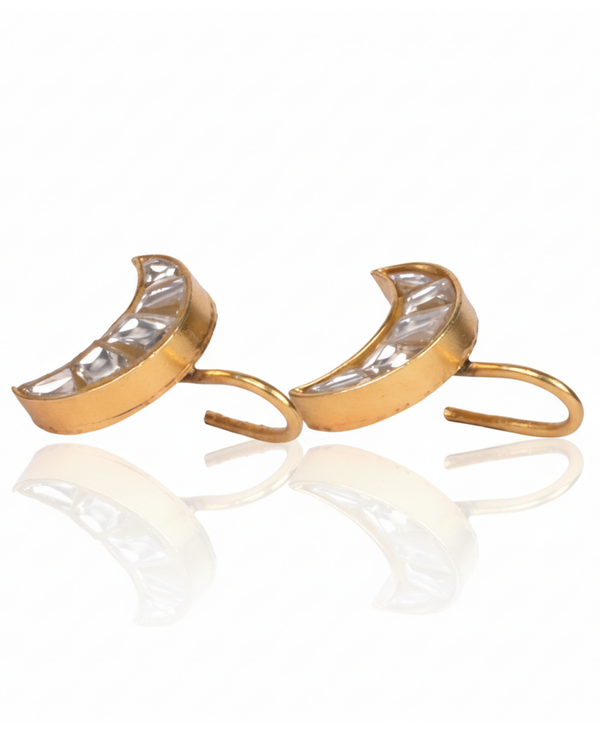
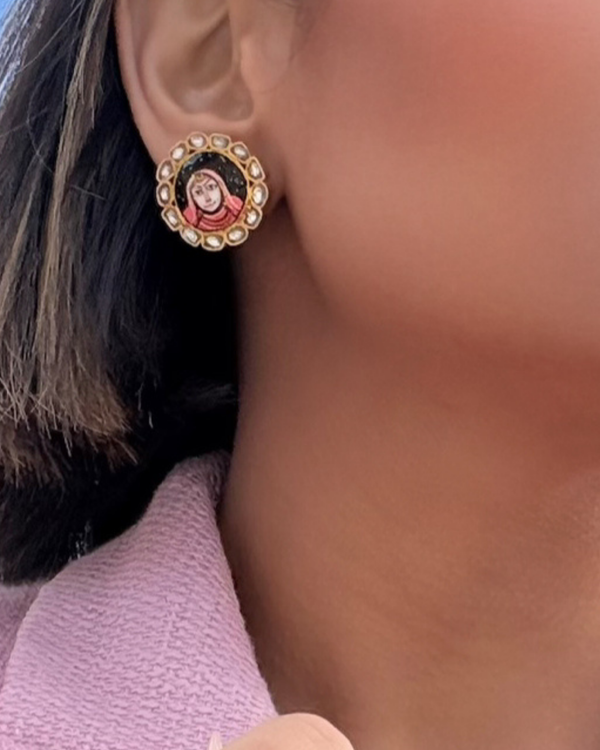
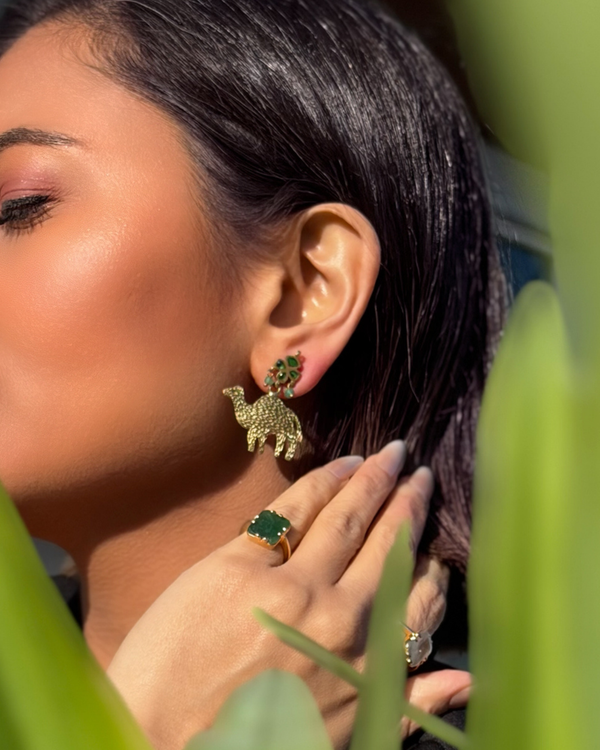
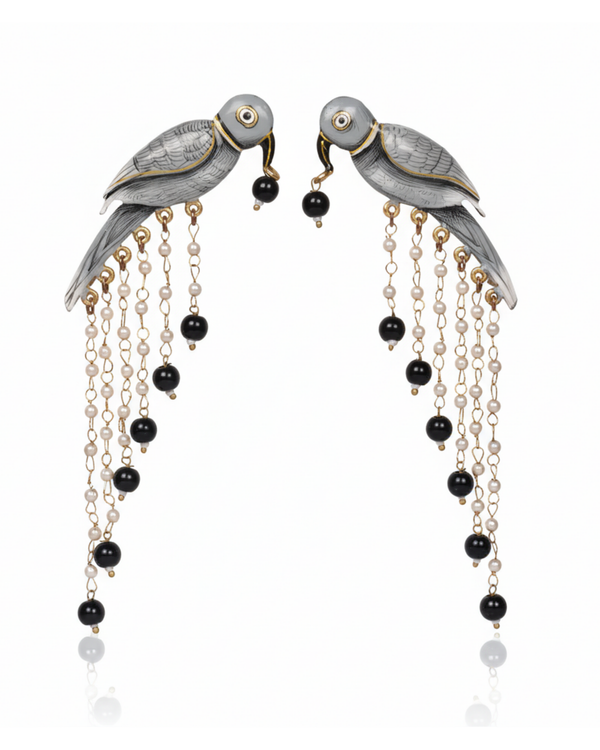
Kundan and Meenakari are often spoken together, but they are not the same craft. Kundan is the technique of setting stones using highly refined, soft gold, while Meenakari is the art of enamelling color fused onto metal with heat.
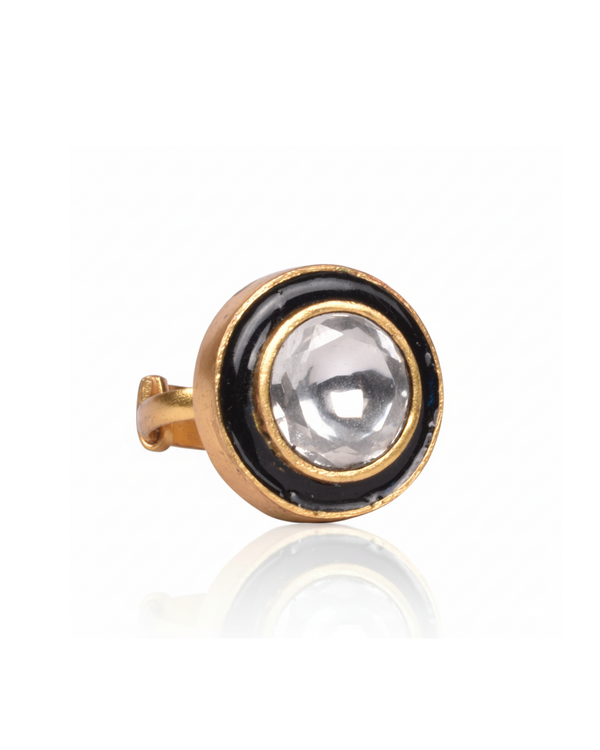
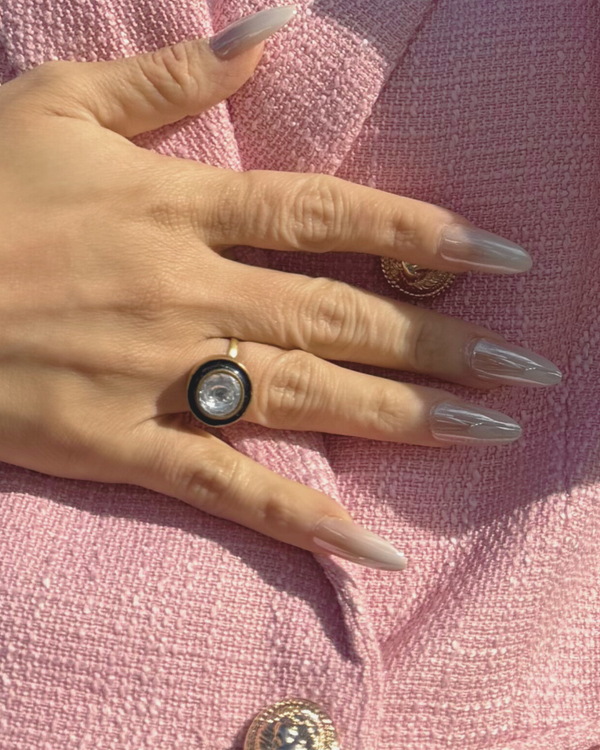
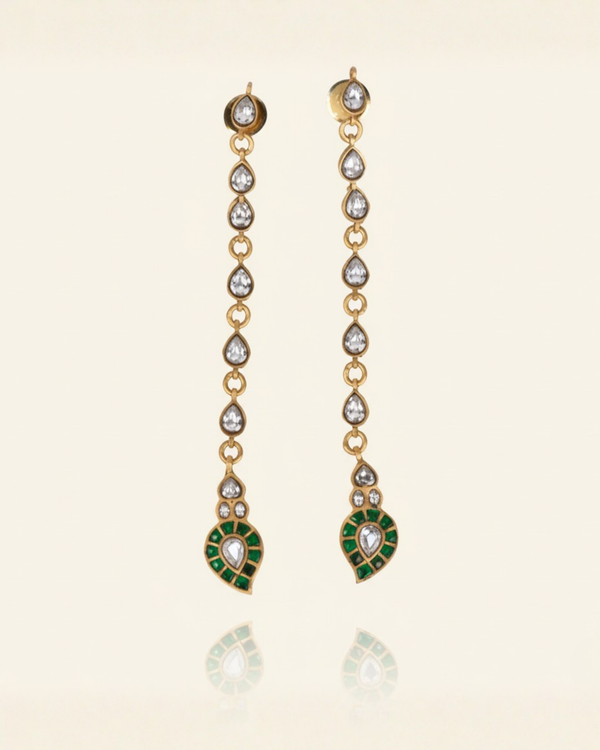
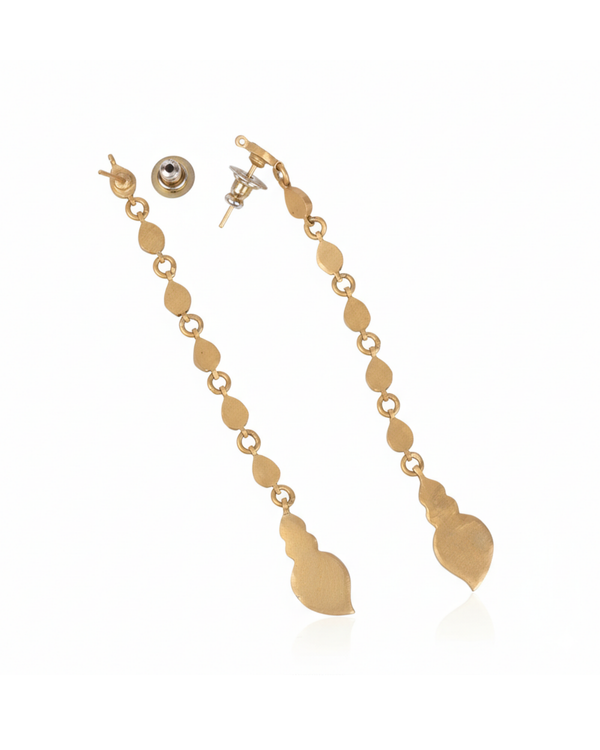
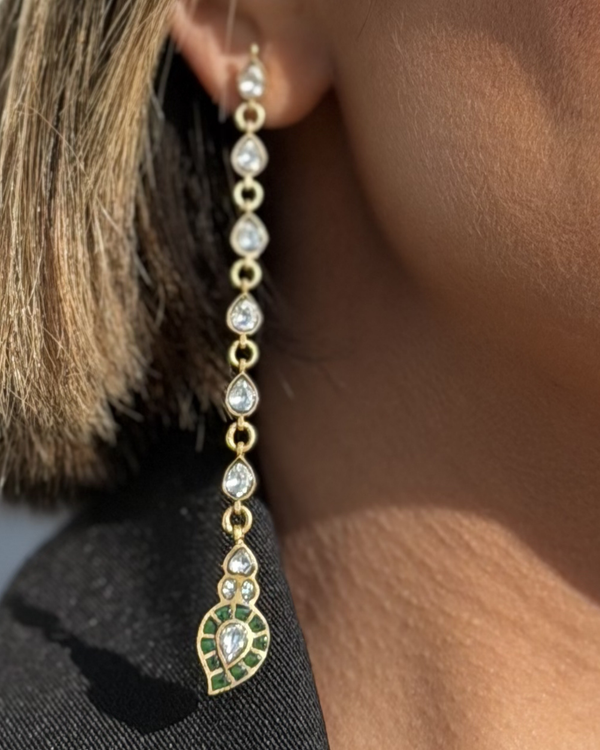
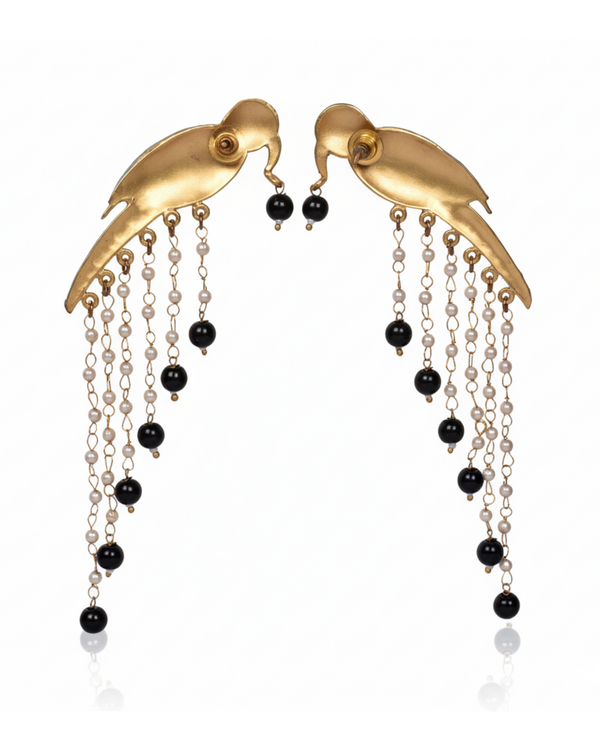
Some pieces are purely Kundan. Some are purely Meenakari. Some combine both because historically, master jewelers treated the front and the back as two canvases.

What is Kundan Jewelry?

Kundan Jewelry (Kundan Setting): What It Is

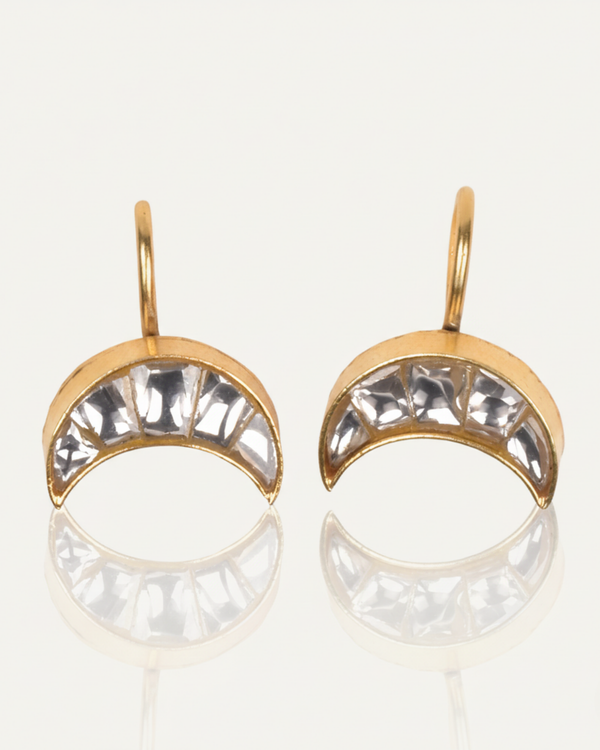
Kundan setting is strongly associated with Mughal-era jewelled arts. It uses pure, soft 24-carat gold (“kundan”) to set gemstones allowing jewelers to secure stones even alongside delicate enamelled surfaces.

The “Why it costs what it costs” truth 

Kundan isn’t expensive because it’s trendy. It’s expensive because it’s labor-intensive, hand-finished, and often requires weeks to months depending on intricacy especially in traditional workmanship. Vogue India
When you see a price like $155–$190, you’re paying for:

  • Human hours (not machine time)
  • Precision finishing (clean edges, balanced symmetry, secure seats)
  • Technique lineage skills passed down through artisan families and workshops

How Kundan is Made (Step-by-step)

  1. Framework creation   a metal base is formed with cavities for each stone.
  2. Filling & support   the cavity is filled with a traditional mixture (commonly described as shellac + antimony, often called surmai/surmi) and heated to support setting.
  3. Stone placement   gemstones are pressed into place carefully while heat is controlled.
  4. Kundan work   soft, refined gold is used to secure the stones with precision.
  5. Alignment & tightening   micro-adjustments to ensure stability and symmetry.
  6. Finishing   polishing and refinement to achieve the signature glow.
  7. (Optional pairing)   Kundan can be paired with enamel work on the reverse or around surfaces.

Meenakari (Enamel Work): What It Is

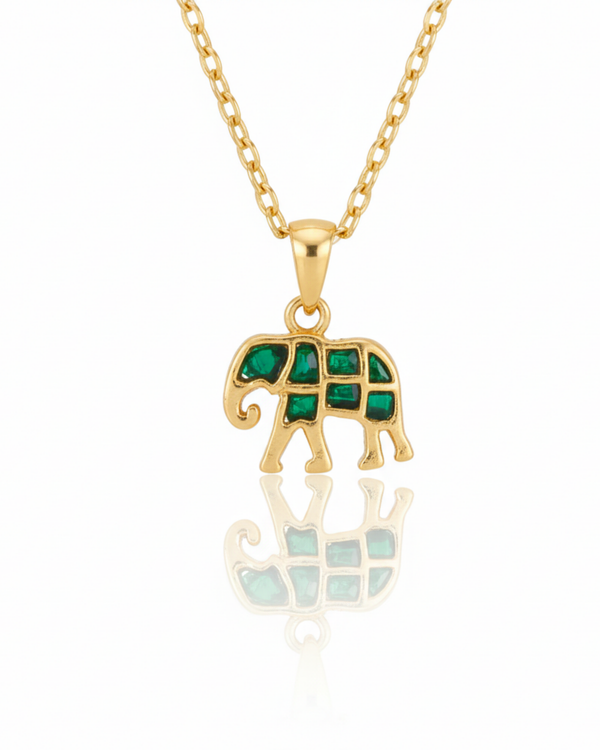
Meenakari is the craft of decorating metal with enamel (“meena”) that is fused using heat, creating a glass-like layer of vivid color.

 Historically, the art traces roots to Persian enamelling traditions and later flourished in North India, with Jaipur becoming a major center associated with the craft.

How Meenakari is Made (Step-by-step)

  1. Surface preparation   metal is cleaned and prepared for design work. 
  2. Engraving/etching   the design is carved so enamel can sit inside grooves.
  3. Enamel filling   color is placed into the engraved recesses.
  4. Firing   heated so enamel fuses with the metal.
  5. Layering   often repeated for depth and clarity.
  6. Polish & finish   refined to a smooth, luminous surface.

Kundan-only vs Meenakari-only vs Kundan-Meenakari

  • Kundan-only pieces prioritize gemstone setting and glow.
  • Meenakari-only pieces prioritize enamel artistry pattern, palette, story.
  • Combined pieces treat the jewelry like a double-sided artwork stones on the front, enamel on the reverse or surrounding surfaces.

Jaipur’s Lanes: Where Craft Stays Alive

Jaipur is widely associated with traditional jewelry crafts, and Johari Bazaar is consistently described as a famed market for styles including Kundan, Meenakari, Jadau, Polki, and gemstones.

Why Gullye

Gullye exists for one reason: to go to the real lanes where craft isn’t a trend, it’s a family language.Our current Kundan/Meenakari edit is sourced from Jaipur’s heritage jewelry ecosystem workshops where techniques are learned, repeated, and refined across generations.